Air pollution can trigger lung cancer in people who have never smoked by waking up lung cells that already carry a cancer-causing mutation. That was the finding of research led by Professor Charles Swanton at the Francis Crick Institute and UCL, as part of the Cancer Research UK-funded TRACERx lung cancer study. It changed how scientists think about lung cancer in people who have never smoked.
What the Francis Crick Institute found about air pollution and lung cancer
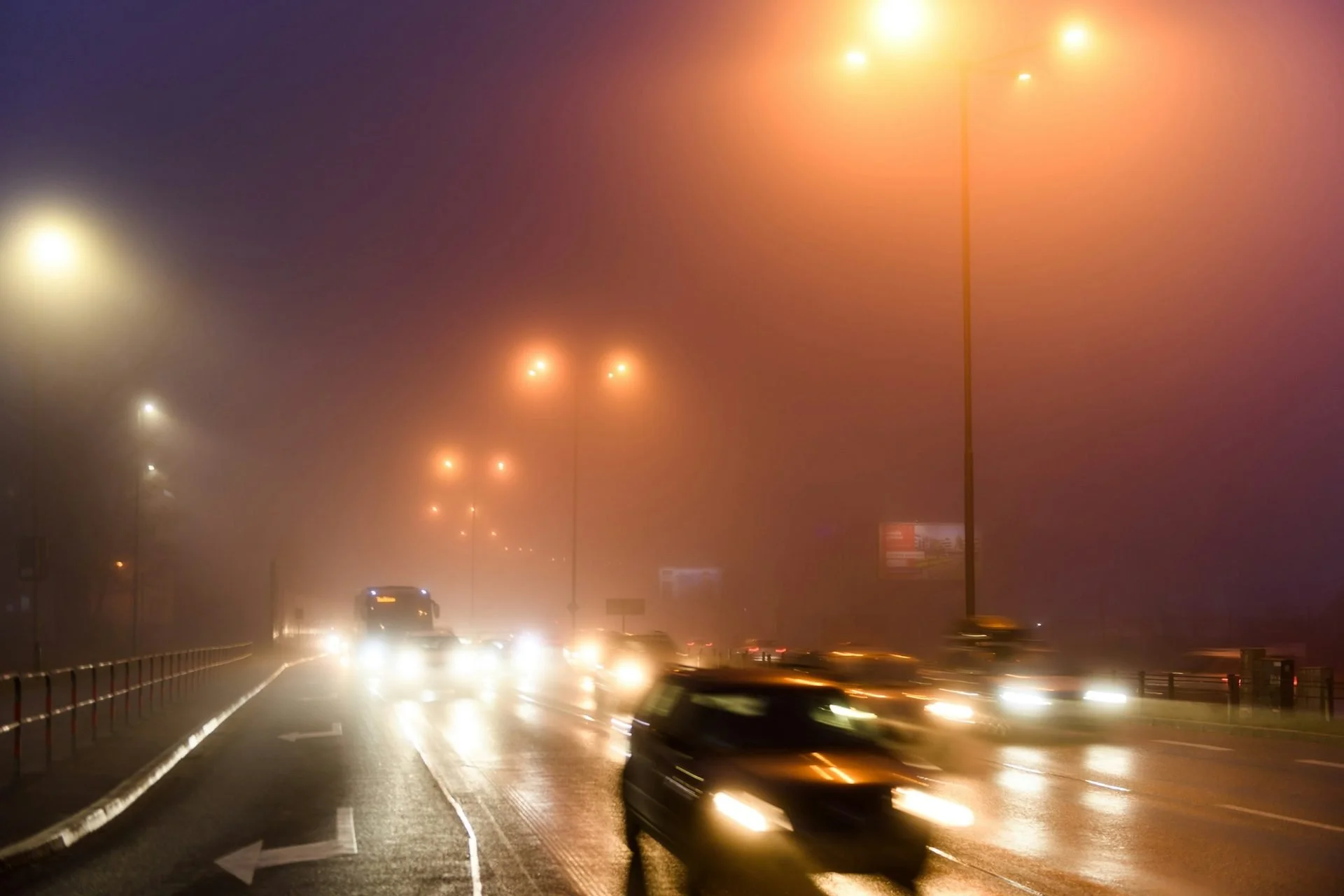
The team looked at fine particles in the air called PM2.5. These come from sources such as traffic, wood burning and industry, and are small enough to be breathed deep into the lungs.
In data from more than 400,000 people in the UK and Asia, the researchers found that people living in areas with higher levels of PM2.5 had higher rates of EGFR+ lung cancer. EGFR+ lung cancer is the most common type of lung cancer in people who have never smoked.
The findings were first presented at the European Society for Medical Oncology conference in 2022, and the full study was published in the journal Nature in April 2023.
How air pollution wakes up EGFR mutations
For a long time, scientists thought cancer started when something in the environment, such as cigarette smoke, damaged a cell’s DNA. This research suggests air pollution works differently.
The team tested samples of healthy lung tissue from 295 people. They found EGFR mutations in 18% of samples and KRAS mutations in 53%. These mutations build up naturally as we age, and on their own they usually do nothing.
In mice, breathing in air pollution caused inflammation in the lungs and the release of a chemical called interleukin-1 beta (IL-1β). This pushed lung cells carrying EGFR mutations to start growing, and some went on to form tumours. When the researchers blocked IL-1β, the mice did not develop cancer.
“Our study has fundamentally changed how we view lung cancer in never smokers,” said Professor Swanton. “If we can stop cells from growing in response to air pollution, we can reduce the risk of lung cancer.”
Writing in the Telegraph in November 2026, Professor Swanton said inflammation could be “the missing piece of the puzzle”. It may help explain why billions of healthy cells carry cancer-associated mutations, yet only a few go on to become tumours. His team is now investigating whether blocking particular inflammatory pathways could reduce the risk of lung cancer, and is working with colleagues at UCL and Oxford on LungVax, a vaccine approach to preventing lung cancer.
How common is lung cancer in people who have never smoked?
Around 6,000 people in the UK who have never smoked die from lung cancer each year, according to Cancer Research UK. Air pollution causes around 1 in 10 lung cancers in the UK. Smoking is still the biggest cause, behind around 7 in 10.
Almost everyone breathes polluted air. 99% of the world’s population lives in areas where PM2.5 is above World Health Organization limits.
What this research could mean for prevention and screening
The research points to new ways to reduce lung cancer risk. One is cutting air pollution itself. Another is finding medicines that block the inflammation that wakes up mutated cells, which researchers are now exploring.
It also adds to calls for a new approach to finding lung cancer early in people who have never smoked. Lung cancer screening in England is offered to people aged 55 to 74 who smoke or used to smoke, so people who have never smoked are not invited. A 2026 review led by researchers at UCL, in the journal Trends in Cancer, argues that lung cancer in people who have never smoked should be treated as a distinct disease, with screening based on risk rather than smoking history.
Find out more about who is exposed to the most air pollution in the UK in our article Air pollution and lung cancer: calls for UK inquiry into unequal exposure, and about another hidden risk in our homes in Could hotter summers increase lung cancer risk inside our homes?
Living with EGFR+ lung cancer
EGFR+ lung cancer is usually treated with targeted tablets that can keep the cancer under control for years. Natasha was diagnosed with stage 4 EGFR+ lung cancer in 2022. In the past year she has had surgery while staying on targeted treatment. Read Natasha’s story.
Symptoms of lung cancer to look out for
Anyone with lungs can get lung cancer. Symptoms can include:
a cough that won’t go away
breathlessness
chest, shoulder or back pain
fatigue
a hoarse or croaky voice
unexplained weight loss
chest infections that keep coming back
coughing up blood
If you have symptoms that don’t go away, speak to your GP, even if you have never smoked. Find out more in our article Lung cancer early diagnosis saves lives: the facts.
Sources: Hill W, et al. Lung adenocarcinoma promotion by air pollutants. Nature, 6 April 2023. Study. Cancer Research UK, Scientists reveal how air pollution can cause lung cancer in people who have never smoked, 10 September 2022. Caswell DR, et al. Lung cancer in never smokers: from early detection to prevention. Trends in Cancer, 2026. Review.
All You Need Is Lungs is a joint campaign from ALK Positive UK, EGFR+ Lung Cancer UK and the Ruth Strauss Foundation.
